

Drywall & Patching
Clean wall repairs start with what caused the damage
From nail holes and dents to small damaged sections, Paloma Pro reviews the wall condition, finish expectations, and moisture history before confirming the repair path.
A useful place to start
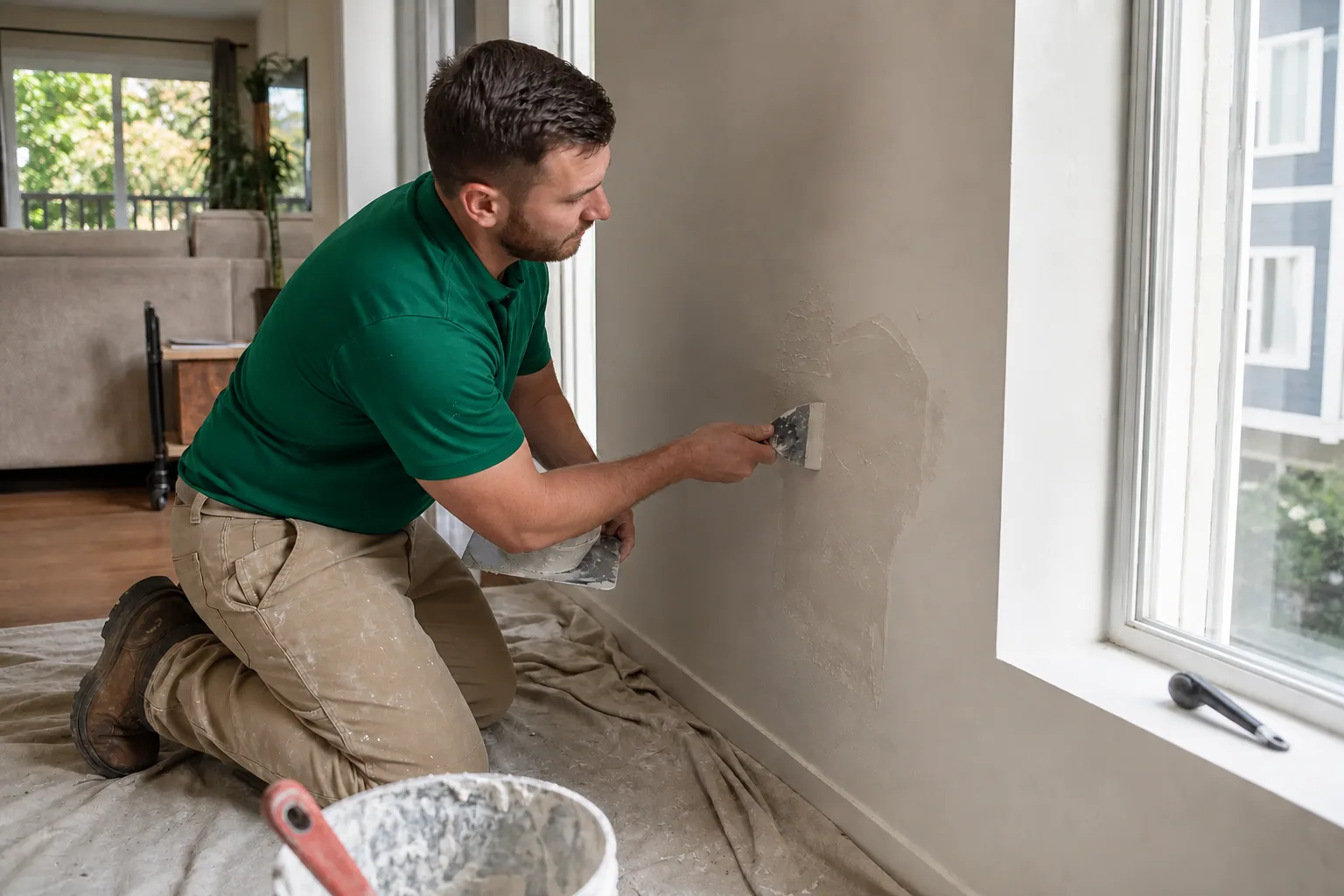
Wall repairs for dents, holes, move-outs, and room refreshes
A good patch should address more than the visible opening. The team needs to understand the wall material, the size and depth of the damage, nearby texture, and whether the area is dry and stable.
Active moisture, recurring staining, softness, mold-like growth, or a larger concealed problem should be investigated before cosmetic patching begins. Texture matching and final paint blending can also change the appropriate scope.
Texture matching, water damage, and larger repairs may require a separate estimate or specialist.
Common requests
Is this the right starting point?
Paloma Pro can review common wall damage, patching needs, and practical finish options before the work is scheduled.
- 01Nail and anchor holes
- 02Small wall damage
- 03Move-out patching
- 04Paint-ready preparation
Choose the work
Start with the request that fits best
These are common examples within this service. Choose the service once, then share only the details that will help the team review your request.
Wall and drywall repair
Repair review for holes, dents, anchor damage, and other stable interior wall conditions.
Book this servicePrepare a useful request
Show the full wall, not only the hole
Photos taken from two distances help the team evaluate the repair and the surrounding finish. Include a common object or measurement for scale.
- Photograph the entire wall and then the damaged area up close.
- Measure the widest and tallest points of the opening or dent.
- Mention any leak, staining, odor, softness, or previous repair in the area.
- Describe the existing finish: smooth, orange peel, knockdown, plaster, or unknown.
- Say whether you need a patch only, paint-ready preparation, or a finished paint blend.
From request to handoff
A clear path without the guesswork
- 01
Assess
The wall material, damage size, texture, and moisture history are reviewed.
- 02
Define
Patch-only, paint-ready, and finish-paint expectations are separated clearly.
- 03
Protect
The work area and nearby surfaces are considered in the service plan.
- 04
Handoff
The repaired area and any follow-up drying or painting needs are explained.
Helpful resources
Plan the job with better information
A cosmetic dent, a fastener hole, and a moisture-damaged wall should not begin with the same repair plan. Start by documenting the condition and its cause.
Read resource Project PlanningHow to prepare for a handyman service visitOnce the work is reviewed, a few practical preparations can protect the schedule and help the visit begin with the right information on hand.
Read resourceService areas
Request this service around Long Beach
Choose your city to review local service information. Final coverage is confirmed from the address, requested work, and current availability.
Questions, answered
Before you request drywall & patching
Can water-damaged drywall simply be patched?
Not until the moisture source is corrected and the material is evaluated. Active dampness, recurring staining, softness, or suspected mold may require a different remediation path before cosmetic repair.
Will a patch match the existing texture exactly?
Texture can often be approximated, but age, application method, previous paint, and lighting affect the result. Share a well-lit photo so the expected finish can be discussed before scheduling.
Is painting included with drywall repair?
It depends on the approved scope. Patch-only, paint-ready preparation, and final painting should be identified separately so materials and finish expectations are clear.
Related services
More ways to work through the list
Interior Painting
Touch-ups and smaller interior painting projects with careful preparation.
General Handyman
Small repairs, adjustments, and punch-list work for the everyday jobs around your home.
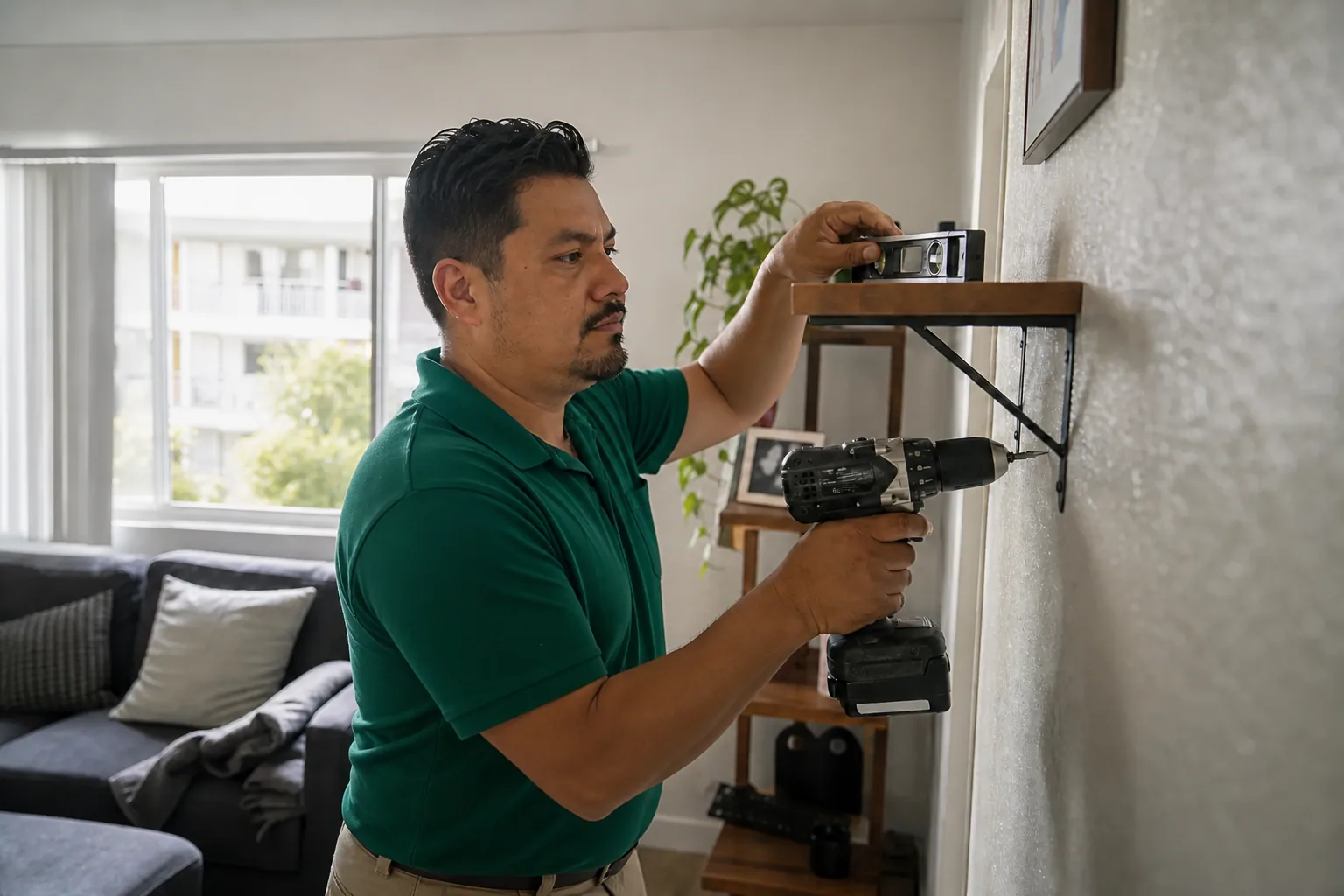
Fixtures, Hardware & Mounting
Installation help for select fixtures, mirrors, shelves, hardware, and wall-mounted items.
Ready to get it reviewed?